An Overview of Modern Industrial Technologies
Introduction: The Importance of Modern Industrial Technologies
In today’s fast-paced world, modern industrial technologies are essential for businesses aiming to enhance productivity, reduce costs, and maintain a competitive edge. These technologies are transforming the industrial landscape, making operations more efficient and effective. This article explores the key modern industrial technologies that are reshaping industries and how they are paving the way for a more innovative future.
Key Modern Industrial Technologies Transforming the Industry
1. Automation and Robotics
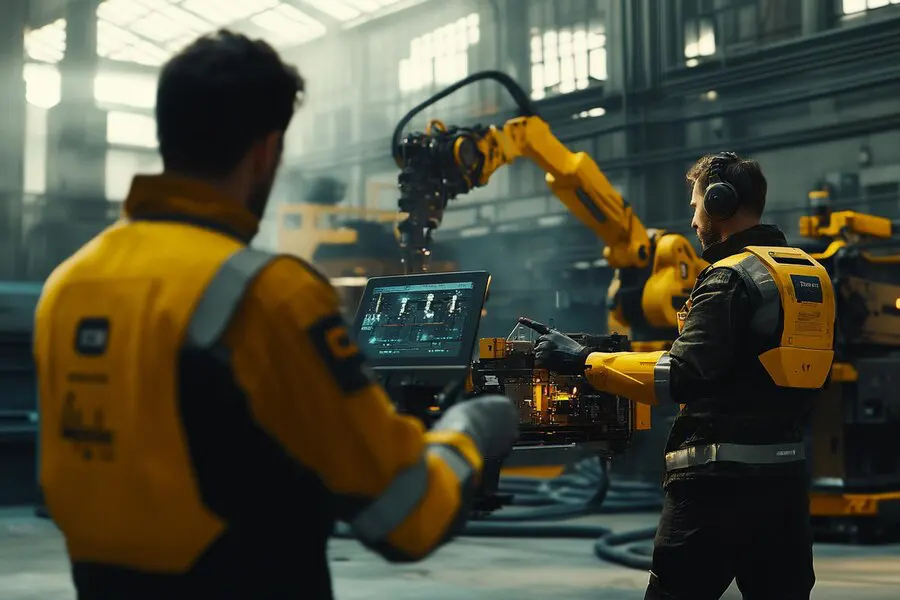
One of the most significant advancements in modern industrial technologies is the integration of automation and robotics. These innovations streamline production processes and minimize human intervention. With robots handling repetitive tasks, companies can achieve higher efficiency and consistency. The automotive and electronics industries are leading the way in adopting these modern industrial technologies, ensuring greater precision and reducing errors in production.
2. Artificial Intelligence (AI)
Artificial Intelligence is revolutionizing the way businesses operate. By analyzing vast amounts of data, AI can identify patterns, predict outcomes, and optimize processes. For instance, predictive maintenance, a key aspect of modern industrial technologies, allows companies to anticipate equipment failures before they occur, significantly reducing downtime. AI not only enhances operational efficiency but also improves decision-making, making it an invaluable tool in the modern industrial landscape.
3. Internet of Things (IoT)
The Internet of Things is another crucial player in the realm of modern industrial technologies. IoT enables machines, devices, and systems to communicate seamlessly, providing real-time data that enhances decision-making. Manufacturers can leverage IoT technology to optimize supply chains, improve inventory management, and enhance customer experiences. For instance, smart sensors can monitor equipment performance, allowing for data-driven decisions that boost productivity.
4. 3D Printing
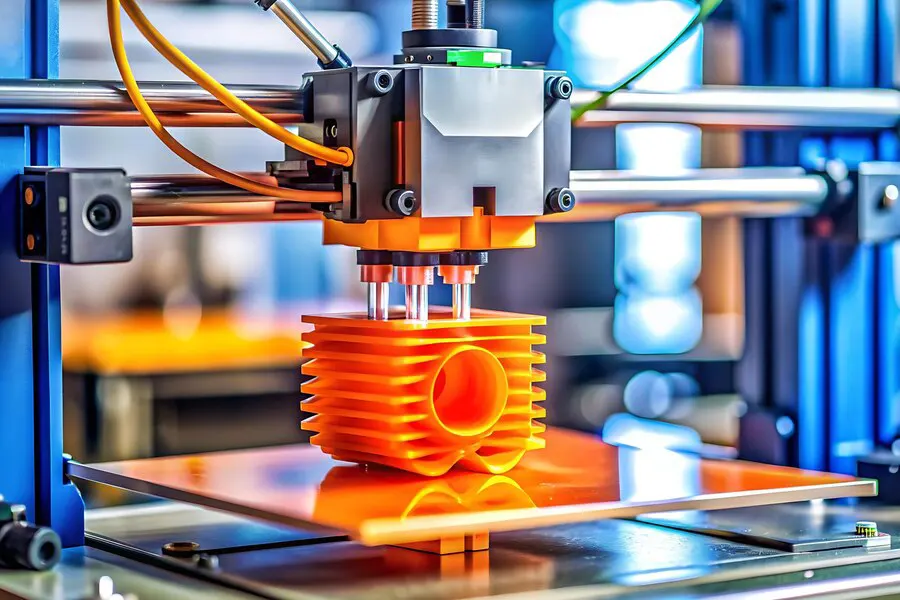
3D printing, also known as additive manufacturing, is changing the game for product development and prototyping. This technology enables manufacturers to create complex parts and prototypes with high precision and minimal waste. The ability to quickly produce custom parts makes 3D printing one of the most innovative modern industrial technologies in use today, especially in industries such as aerospace and healthcare, where customization and rapid production are crucial.
5. Blockchain Technology
Blockchain technology is making waves in the industrial sector, particularly in supply chain management. By providing a secure and decentralized way to track transactions and data, blockchain enhances transparency and accountability. As companies adopt modern industrial technologies, blockchain helps reduce fraud and improve the traceability of products, ensuring that businesses can operate efficiently and securely.
Benefits of Implementing Modern Industrial Technologies
The implementation of modern industrial technologies offers numerous benefits. Companies that adopt these technologies can significantly increase efficiency and reduce operational costs. Furthermore, these innovations lead to improved product quality and safety, resulting in higher customer satisfaction. By embracing modern industrial technologies, businesses empower their workforce with new skills and enhance overall organizational performance.
Challenges in Adopting Modern Industrial Technologies
While the benefits are substantial, companies may face challenges in adopting modern industrial technologies. High initial costs and the need for ongoing investments can be barriers to implementation. Additionally, employees may require training to adapt to new technologies, which can disrupt operations in the short term. Moreover, as industries become increasingly interconnected, concerns about cybersecurity and data protection become vital considerations for businesses.
Future Trends in Modern Industrial Technologies
The future of modern industrial technologies looks promising. The emergence of smart factories, powered by AI and IoT, is expected to revolutionize manufacturing. Additionally, advancements in robotics and machine learning will continue to enhance productivity. Companies that quickly adopt these technologies will likely lead their industries and set new standards for performance and innovation.
Conclusion: Embracing Change for a Competitive Edge
In conclusion, modern industrial technologies are vital for shaping the future of the industrial sector. Embracing these innovations is not just a choice; it is a necessity for businesses aiming to thrive in a competitive environment. By investing in automation, AI, IoT, 3D printing, and blockchain technology, companies can position themselves for success and drive the future of innovation. Now is the time to embrace change and unlock the full potential of modern industrial technologies!
